Applications of Medical Nitrous Oxide Gas (Medical Anesthesia Gas)
Due to its unique properties, medical nitrous oxide is used in a wide range of therapeutic environments for sedation, pain killing, and anxiety reduction. The most important applications of this medical anesthesia gas are:
Inhalation Anesthesia in the Operating Room
In the operating room, nitrous oxide is a part of an anesthesia gas mixture along with oxygen and is used with intravenous anesthesia drugs. This gas amplifies the effect of anesthesia drugs, reduces patient anxiety, and creates controlled sedation. The anesthesia expert adjusts nitrous oxide in breathing mixtures to adjust the dept of anesthesia and sedation based on the surgery and patient conditions.
Dentistry and Dentistry with Sedation
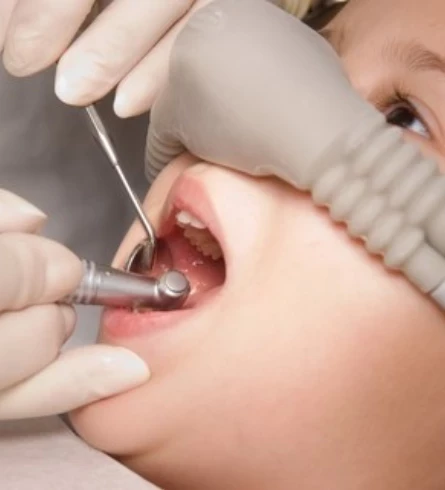
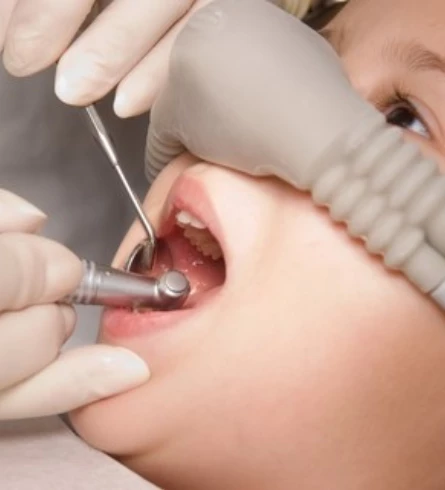
In dentistry, nitrous oxide is one of the widely used gases for sedation dentistry. Inhaling a mixture of nitrous oxide and oxygen via a nasal mask can decrease the fear, stress, and pain sensitivity in a patient, while he/she remains conscious and can cooperate fully with the dentist. This method is especially useful for children, anxious patients, or people with long treatment periods.
Short-term Procedures and Urgent Actions
In some short-term and painful measures, such as stitching, fixation of some fractures, some urgent actions, and outpatient procedures, nitrous oxide is used as a painkiller and to reduce anxiety. In this condition, the patient is normally in a level of conscious sedation, feels less pain, and tolerates the procedure more easily.
Application in Obstetrics and Gynecology for pain killing
In some obstetrics and gynecology protocols, a mixture of medical nitrous oxide and oxygen is used to decrease the pain of childbirth. This gas can be used as a non-invasive and controllable painkiller in some phases of childbirth. In some centers, pure nitrous oxide or in a mixture with other gases, such as Entonox gas, is used under the supervision of a woman anesthesiologist
Skin, Beauty, and Non-Invasive Procedures
In some skin and beauty and less-non-invasive procedures that need sedation and pain tolerance, nitrous oxide can be used as a sedation inhalation gas along with local anesthesia. Using this gas in this field should be in a therapeutic environment and under the supervision of a doctor with standard equipment.
In many of these applications, medical nitrous oxide gas, along with medical oxygen, prepared mixtures such as Entonox gas and other medical gases are used as a part of anesthesia and sedation systems in therapeutic centers.
Advantages and Constraints of Medical Nitrous Oxide Gas
Advantages of Medical Nitrous Oxide Gas
• sedation and pain killing with a rather quick onset of effect
• Used for sedation in conscious conditions; the patient is conscious and can obey the orders
• Possible to mix with oxygen and other anesthesia gases to precisely adjust the anesthesia depth and sedation
• Extensive usage in operating rooms, dentistry, outpatient procedures, and urgent actions
• Controllable dosage and duration of effect via anesthesia systems and standard breathing circuits
disease
Constrains and Risks (Considering respiratory and systemic side effects)
Like any other inhalation anesthesia gas, incorrect usage of nitrous oxide can have severe side effects and risks:
• Some symptoms including nauseous, vomiting, dizziness, lightheaded feeling, or sleepiness after usage
• In case of incorrect usage or longer periods than prescribed, these would be a risk of excessive reduction in the level of consciousness and breathing disorders
• In cases with severe pulmonary diseases or in places with poor ventilation, incorrect usage can change the gas balance in the blood and reduce blood oxygen
• Long-term and repeated consumption without any supervision (abuse) might negatively affect the nervous system and B12 vitamin metabolism
• In special conditions such as closed cavities that contain nitrogen, pneumothorax, intestinal obstruction…, using nitrous oxide is forbidden or limited and requires the supervision of an anesthesia expert
Therefore, medical nitrous oxide should only be used according to anesthesia and sedation protocols, under the supervision of a doctor or trained personnel, and with complete breathing and hemodynamic monitoring; any arbitrary usage, or out of a medical center, is unsafe and forbidden.
Accessories and Technical Considerations of Medical Nitrous Oxide Gas
For a safe and standard usage of medical N2O gas, using medical gas equipment and reliable anesthesia systems is necessary. The most important equipment related to nitrous oxide anesthesia gas includes:
• Special regulator and manometer for nitrous oxide, along with pressure-limiting and safety systems
• anesthesia apparatus equipped with a precise mixing system for mixing nitrous oxide and oxygen, and has standard respiratory circuits
• Special masks, respiratory circuits, and inhaling sedation systems for dentistry and outpatient procedures
• Hoses and connections with colored coding and correct pin indexes to prevent mistake in gas connection
• anesthesia monitoring systems for the patient’s breathing, blood oxygen, heartbeat, and blood pressure monitoring
• Scavenging system for exhale gas collection and reducing the personnel exposure to nitrous oxide in the operating room
The output pressure, mixing ratios with oxygen, and gas flow rate should be according to the instructions of the anesthesia system manufacturer and the protocols of the treatment center to guarantee patient safety and the correct performance of equipment.
Medical Nitrous Oxide Gas Cylinder
Medical nitrous oxide is stored and transported in cylinders. These cylinders are recognized from other gases, based on their colors and labels; the type, medical grade, working pressure, and safety cautions of the gas are printed on these labels. The most common capacities based on the medical treatment center and volume of consumption are:
• 5 Liter Nitrous Oxide cylinder
• 10 Liter Nitrous Oxide cylinder
• 20 Liter Nitrous Oxide cylinder
• 40 Liter Nitrous Oxide cylinder
The selection of the cylinder capacity depends on the number of procedures and the volume of consumption. Considering the cylinder manufacturing date, the last hydrostatic test date, valve integrity, and the body is necessary.
Safety, Storage, and Transportation of Medical Nitrous Oxide Gas
Following these considerations is necessary for the safe storage and use of medical nitrous gas cylinders:
• Keeping vertically and restrained: cylinders must be put vertically and fixed with a clamp or chains to prevent fall or impact
• Sufficiently ventilated room: the cylinder warehouse and the rooms they are used in should have sufficient ventilation to prevent the danger of gas accumulation in case of leakage
• Away from heat and flame: Cylinders must be kept away from heat sources, direct sunlight, and hot plates
• Safe transportation: use a special trolley or cart to transport cylinders; avoid rolling or pulling them on the floor
• Periodic inspection: valve and body integrity, labels, and the last date of hydrostatic test should be regularly controlled.
Educating the personnel about how to use the cylinders, opening and closing the valve, the correct method of using the regulator, and emergency management (such as a gas leak) is one of the important parts of safety considerations when working with nitrous oxide anesthesia gas.
Price and Terms of Purchase for Medical Nitrous Oxide Gas
The price of medical nitrous oxide gas depends on different parameters of the grade and gas purity, cylinder capacity.
It's better to announce the type of your medical center, procedures, and monthly consumption pattern when you contact our sales department for a price inquiry and choosing the best composition of cylinder number and volume.
Purchase of Medical Nitrous Oxide Gas (Medical Anesthesia Gas)
The effective parameters in purchasing medical nitrous oxide gas are the homogeneity, standard cylinders, quality and stability of the supply, which directly affect the quality of anesthesia and sedation. Akhavan Kalantari Company, with many years of experience in supplying medical gas, can provide medical nitrous oxide in standard cylinders and high-quality for operating rooms, dental segments, and surgery centers.
Contact our sales department for price inquiry, order registration, and scheduling a regular supply of anesthesia gas. Furthermore, if your center needs other gases such as medical oxygen, liquid nitrogen, carbon dioxide, or other industrial or medical gases of Akhavan Kalantari Company, it is possible to design a complete package for your hospital needs.
| Nitrous Oxide (gas) |
|
N2O |
| Purity |
Grade |
Type |
| 99.95 |
3.5 |
Medical |
| 99.999 |
5 |
Laboratory |
.png "banner")