Dry Air gas, which is called “dry compressed air” in industry, is a stable and inert mixture of the main atmospheric elements: about 20.5% oxygen and 79.5% nitrogen with the minimum amount of humidity or impurities. This gas is colorless and odorless; it is not a self-igniting gas, but it can enhance the flammability of flammable material due to the high share of oxygen in it. Cylinders of dry/zero air are manufactured under controlled conditions and free of water vapor, oil, or particulates; the guarantee the stability and repeatability of results in laboratories and instrument lines. This product is usually supplied in standard high-pressure cylinders and is considered the “balance gas” of many calibration mixtures in the industrial gases chain.
Applications of Dry Air (Compressed Dry Air)
Laboratory, Instrument, and Calibration
Balance gas for calibration mixtures, pneumatic supply of instruments, drying of GC lines/purging, and supply of “non-humid-oil free air” like the oxidant role in flame (FID for detectors)
Air conditioning, pneumatics, and Machinery
A source of clean energy for valves, pneumatic actuators, pneumatic hammers, and assembling lines; reduction of corrosion and error elimination of humidity/oil.
Combustion processes and heat engines
Dry and stable air is used for homogeneous combustion, commissioning/test of combustion engines and turbomachines under controlled conditions.
Breathing Gas and Safety
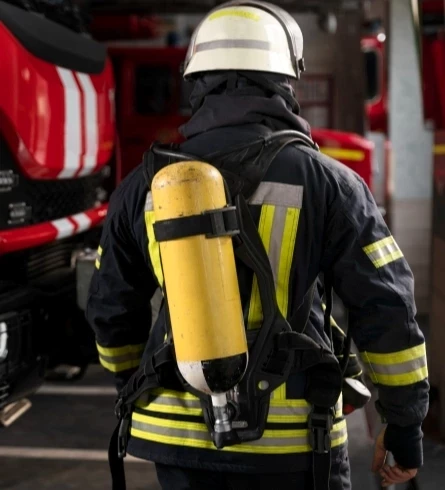
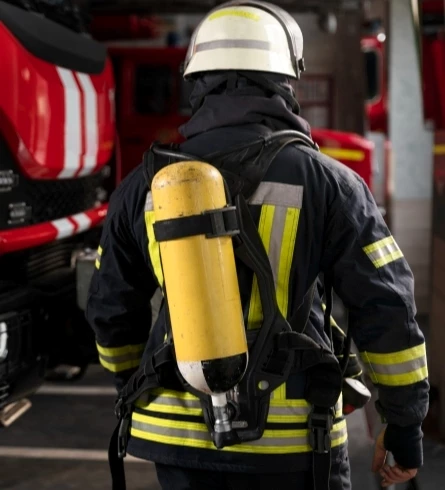
It is used in combination with other gases for the environments where natural respiration is not possible (diving/ firefighting/ confined places), under restricted respiratory standards and oxygen monitoring.
Industrial Production and Packaging
Dry air free of oil for packing, jack/blowers, drying the surfaces/parts, and creating a stable environment in food, pharmaceutical, and electronic production lines.
Pure Gases’ Chain
As a basic gas in the production of standard mixtures, leak test, and also synergic for “industrial nitrogen gas” (for inerting) and “industrial oxygen” (for oxidative processes).
Advantages and Constraints of Dry Air
Advantages:
• Stability of composition, very low humidity, and free of oil/particulates → stable process quality
• High compatibility with laboratory and pneumatic equipment
• Availability and easy distribution in cylinders or to a compressed air network
Constrains and Risks:
• Increased flammability due to the presence of oxygen----- Fire safety considerations
• Necessity of controlling the dew point, oil/particulate filter, and dew point meter
• Risks of high pressure when working with cylinders/pneumatic network
Accessories and Technical Considerations:
• Oil-free compressor, dryer (refrigeration/absorption)
• Regulator and flowmeter suitable for the working pressure; monitoring oxygen/humidity in delicate applications
• To increase safety or neutralization, in combination with “industrial nitrogen gas” in some process stages
Dry Air Cylinders and Supply Specifications
Dry air is supplied in standard cylinders with common charging pressures. The most common capacities are:
• 5 Liter Dry Air cylinder
• 10 Liter Dry Air cylinder
• 20 Liter Dry Air cylinder
• 40 Liter Dry Air cylinder
• 50 Liter Dry Air cylinder
Safety, Storage, and Transportation
• Firing: Air is not flammable by itself, but the presence of oxygen supports the combustion and flame; prevent Spark/ oil on connections.
• High pressure: vertically restrain the cylinder, install a cap, prevent impact/fall, periodic hydrostatic inspection
• Gas quality: periodic inspection of dew point, particulates, and oil according to the required class of quality
Price and Terms of Purchase for Helium Gas
Effective parameters on price: Purity, charging pressure, and cylinder capacity
Purchase and Ordering of Dry Air
For technical consultation and up to date pricing on Dry Air purchases, contact Akhavan Kalantari company.
| Dry Air (gas) |
|
Air |
| Purity |
Grade |
Type |
| 99.9 |
3 |
Industrial |
| 99.999 |
5 |
Ziro Air |
.png "banner")