Industrial oxygen is one of the most widely used gases across various industries, including welding, metal cutting, steel production, petrochemicals, and water treatment. When purchasing industrial oxygen cylinders, several factors must be considered in addition to the gas itself — purity level, cylinder capacity, charging pressure, and application type. These factors determine how cost-effective, safe, and suitable your selection will be for your industrial needs. Choosing the right specifications enhances operational efficiency, reduces costs, and ensures process quality.
What Is Industrial Oxygen and What Is It Used For?
Industrial oxygen (O₂) is a gas supplied at specified purity levels and stored under high pressure in standard cylinders. It is designed for industrial processes, focusing on improving combustion temperature, oxidation efficiency, and chemical reaction performance — not for breathing purposes.
Main Applications:
• Welding and metal cutting
• Steelmaking and industrial furnaces
• Chemical and petrochemical industries
• Water and wastewater treatment
• Industrial bleaching processes
Difference Between Industrial, Medical, and Liquid Oxygen:
This is where many purchasing mistakes occur.
Industrial Oxygen: Used for production and industrial processes, meeting industrial-grade standards.
Medical Oxygen: Intended strictly for respiratory use, with strict impurity controls. Not suitable for industrial applications.
If your application is workshop-based or industrial, the correct choice is industrial oxygen cylinders — not medical oxygen.
industrial Oxygen in Welding and Metal Cutting
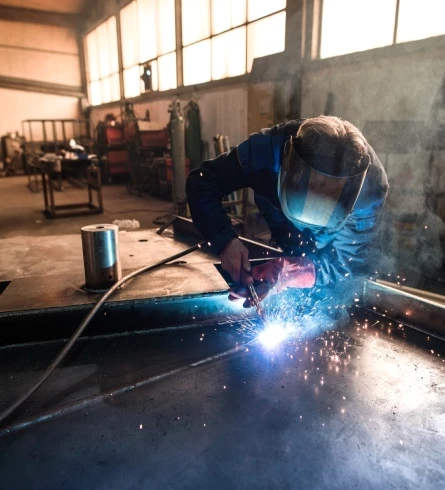
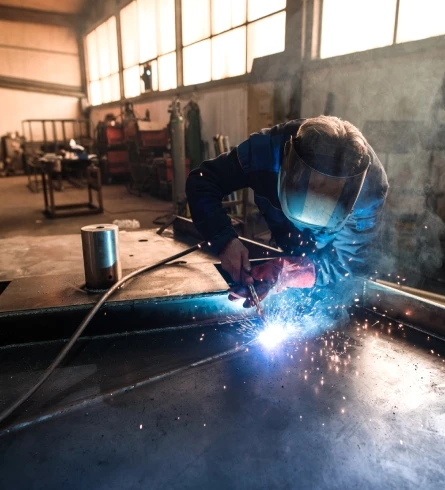
In welding and cutting operations, oxygen plays a critical role. It increases flame temperature and accelerates oxidation reactions, resulting in: Faster cutting, Cleaner edges, Lower fuel consumption.
What is the price of a welding oxygen cylinder?
The short answer: It depends on cylinder capacity, charging pressure, and gas quality. For accurate pricing, please contact Akhavan Kalantari consultants.
What Is the Standard Pressure of an Industrial Oxygen Cylinder?
One of the most important specifications when purchasing an industrial oxygen cylinder is charging pressure. Cylinder pressure indicates how much compressed gas is stored inside and directly affects usage duration, safety, and equipment performance.
Standard Industrial Cylinder Pressure
Most industrial oxygen cylinders used for welding, cutting, and production lines are charged at approximately 200 bar. This pressure is measured at a reference temperature of 15–20°C to ensure optimal efficiency.
Why Pressure Matters?
• Longer Usage Time: Higher pressure = more stored gas = longer operational duration
• Operational Quality: Stable pressure ensures consistent flame performance
• Safety: Proper pressure and compatible equipment (regulators, hoses, fittings) prevent leakage and hazards
Pressure and Pricing
Actual cylinder pressure directly impacts cost. For example, a fully charged 40-liter industrial oxygen cylinder typically costs more but provides more efficient consumption and longer service life — making it more economical overall.
Important Purchasing Tips:
• Always verify the actual cylinder pressure, not just the stamped value
• Ensure regulators and accessories are rated for standard pressure
• Never allow oil or grease contact with oxygen valves or fittings
What Determines the Price of Industrial Oxygen Cylinders?
Industrial oxygen cylinder pricing depends on several key factors such as: Cylinder capacity (5L, 10L, 20L, 40L, 50L), Oxygen purity level, Charging pressure, Type of application (welding, heavy industry, laboratory), Transportation and supply conditions.
Choosing the Right Cylinder Capacity:
Selecting the correct capacity controls costs and reduces frequent cylinder replacement:
• 5L & 10L cylinders → Light or occasional work
• 20L cylinder → Semi-industrial use
• 40L industrial cylinder → Workshops and continuous welding
• 50L cylinder → Heavy and continuous industrial use
If used for welding, comparing both capacity and pricing ensures better decision-making.
Required Equipment for Industrial Oxygen
For safe and compliant use:
• Oxygen regulator
• Standard hoses and fittings
• Strict prohibition of oil and grease
• Periodic cylinder and valve inspection
These directly impact safety and equipment lifespan.
Safety, Storage & Transportation
Safety Notice: Oxygen itself is not flammable, but it greatly accelerates combustion.
Oxygen-enriched environments increase fire intensity
Never use oil or grease on oxygen valves or regulators
Store cylinders vertically, away from heat and impact
Use proper trolleys for transport
Ensure adequate ventilation
Install protective caps when not in use
Perform periodic hydrostatic testing and maintain inspection records.
Purchase & Price Inquiry – Akhavan Kalantari Industrial Oxygen
Purchasing oxygen from Akhavan Kalantari ensures high purity gas and standard-certified cylinders. We supply oxygen in various capacities to ensure stable and reliable performance in welding, cutting, and heat treatment processes. For current pricing and consultation, please contact Akhavan Kalantari representatives.
Industrial Oxygen Grades & Purity Levels (Gas & Liquid)
The table below presents common oxygen grades and purity levels. Grade selection should be based on application requirements.
| Oxygen (gas) |
|
O2 |
| Purity |
Grade |
Type |
| 99.7 |
2.7 |
Industrial |
| 99.9 |
3 |
High Purity |
| 99.995 |
4.5 |
Laboratory |
| Oxygen (liquid) |
|
LOX |
| 99.999 |
4 |
Laboratory |
.png "banner")